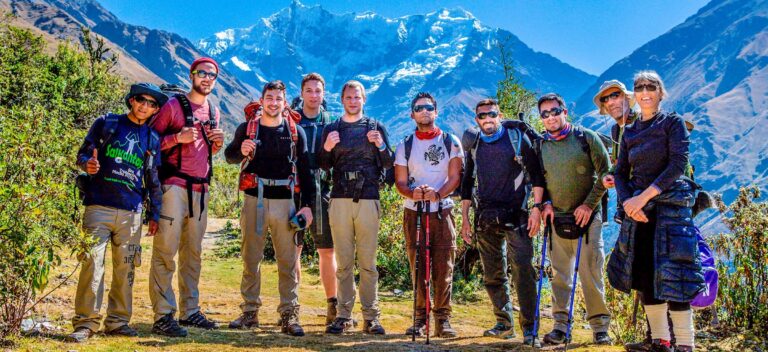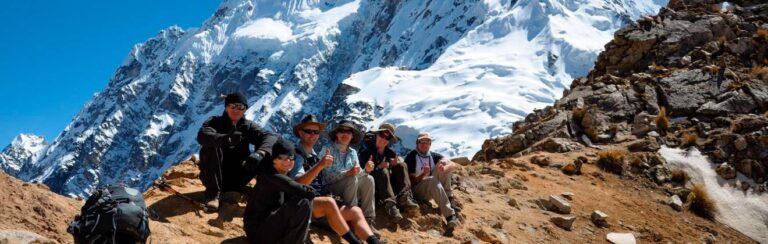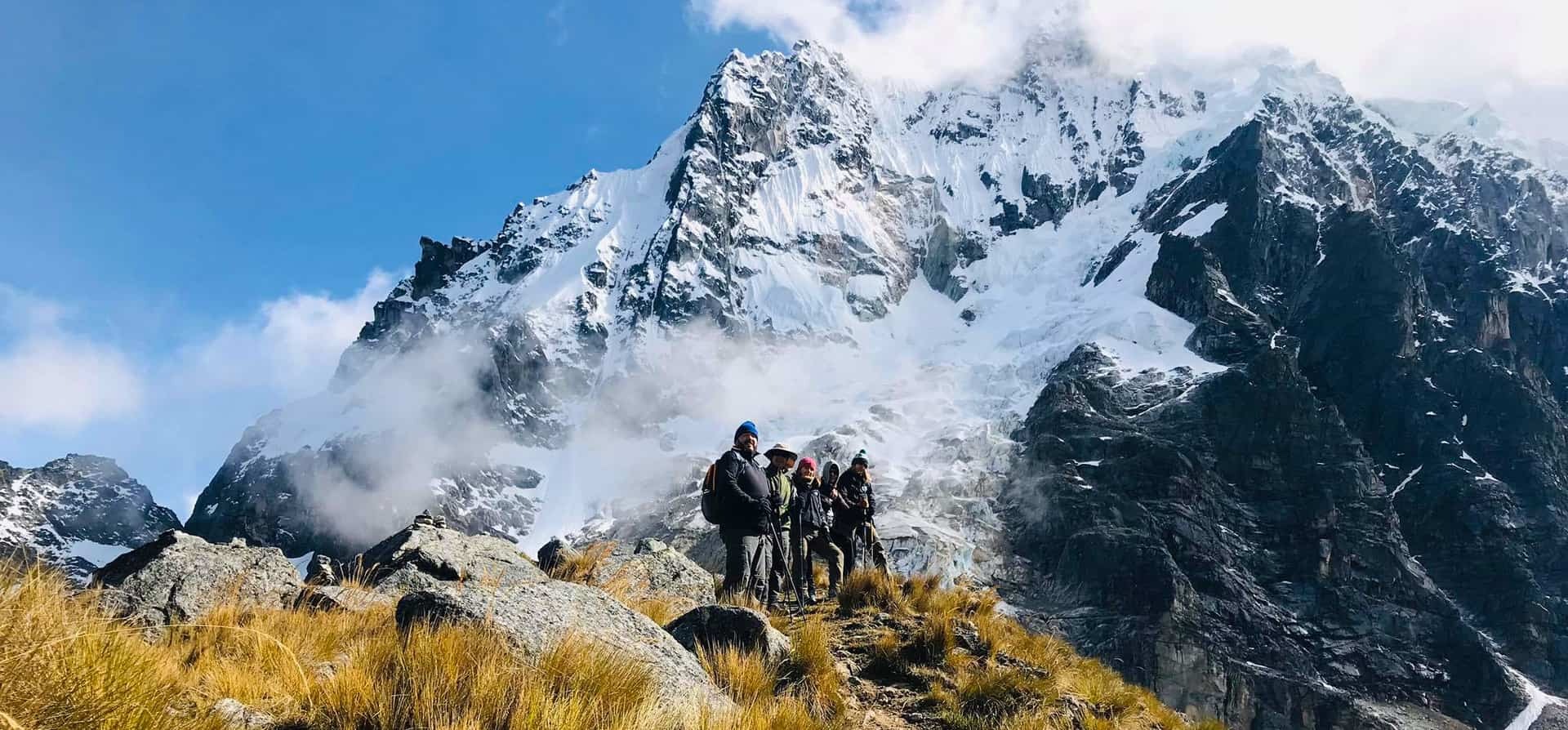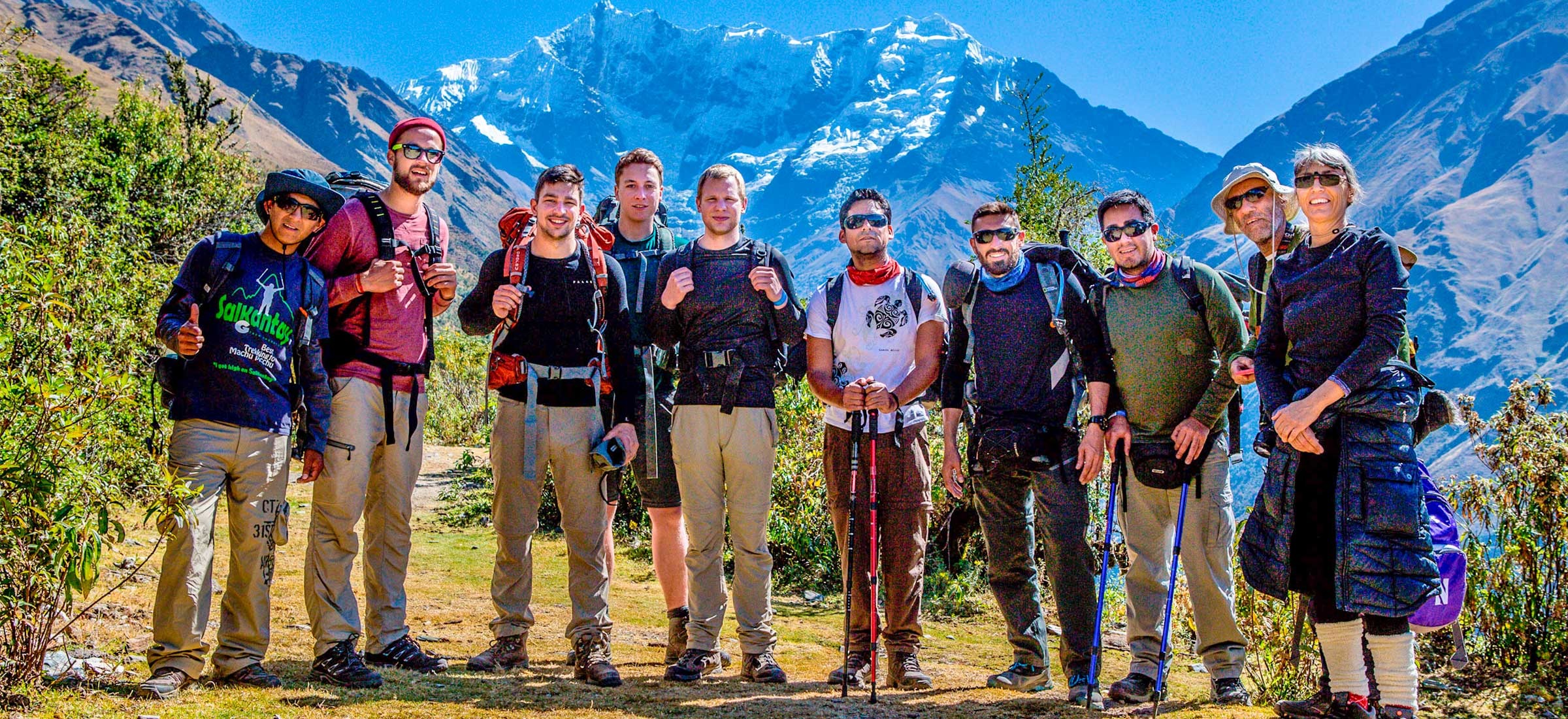
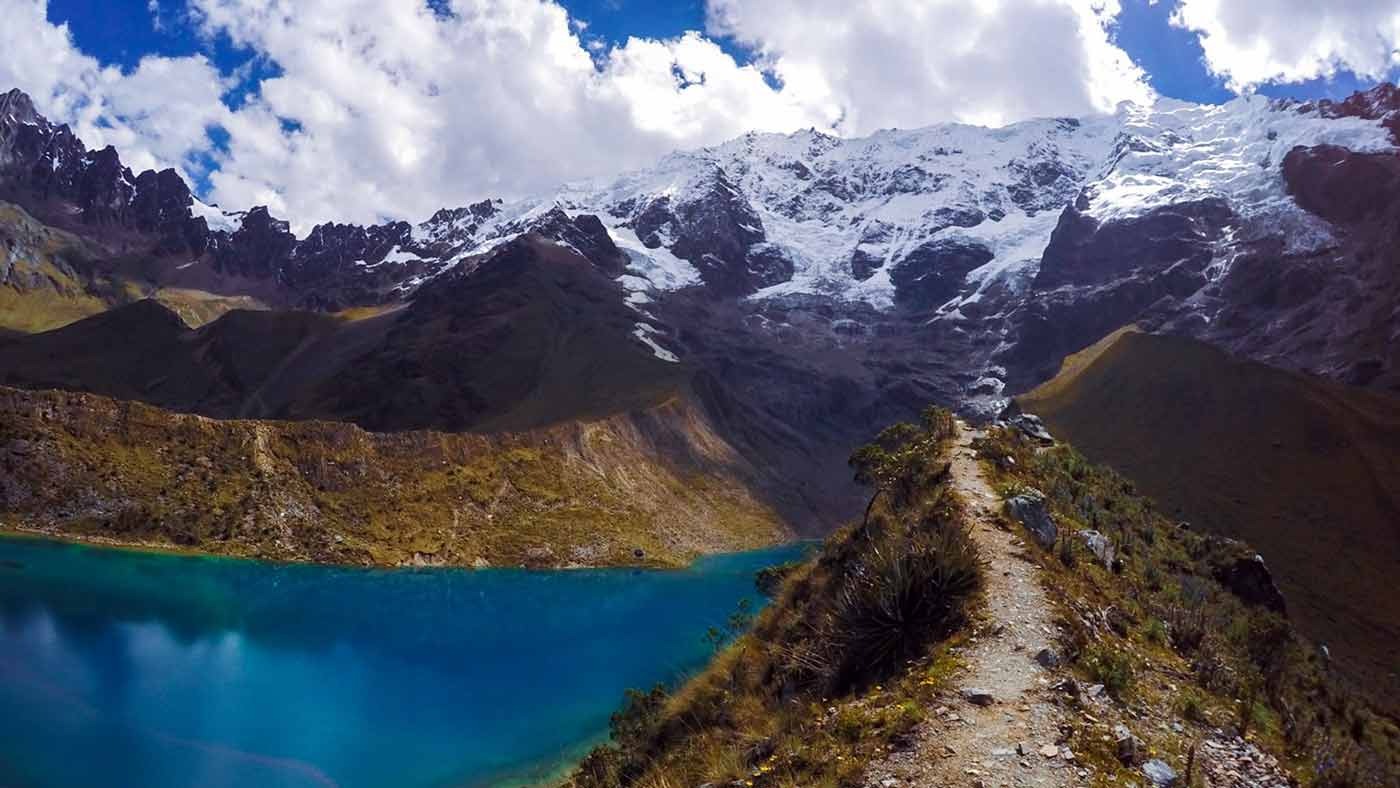
The best time to hike the Salkantay trek is the dry season, from May to September, when skies are usually clear and you get the best views of the snow-capped peaks from the 4,650 m pass. The trade-off is cold nights and more hikers, especially from June to August. April, October and November are good shoulder months, and the rainy season (December to March) is muddier and cloudier but greener, quieter and fully possible, even in February, when the Inca Trail is closed.
This article focuses on timing. For routes, itineraries and logistics, see our complete Salkantay trek guide.
Salkantay seasons at a glance
The Cusco region has two main seasons and two short transitions between them:
| Season | Months | In short |
|---|---|---|
| Dry season | May to September | Clear skies, best mountain views, coldest nights, busiest |
| Shoulder | April, October, November | Mixed weather, greener, fewer people |
| Rainy season | December to March | Rain, mud, clouds over the peaks, very green, quietest |
Two things stay true all year: the sun is strong at altitude, and the cloud forest on the second half of the trek is humid and can rain in any month.
Month-by-month guide
| Month | Season | What to expect on the trail |
|---|---|---|
| January | Rainy | One of the wettest months. Muddy trail, low clouds that often hide Salkantay, very green valleys, few hikers. |
| February | Rainy | Also one of the wettest. The Inca Trail is closed, so Salkantay becomes the main trek to Machu Picchu. Expect mud and wet days, but quiet camps. |
| March | Rainy | Still wet, with rain easing towards the end of the month. Lush landscapes and full rivers. |
| April | Shoulder | Rain decreasing, more clear mornings, landscapes still green. A good month if you want views and fewer people. |
| May | Dry | Dry season begins. Clear skies more often, green hills fading to gold, nights getting colder. Crowds start to build. |
| June | Dry | Clear and stable, with some of the coldest nights near the pass. Busy, especially in late June when Cusco celebrates Inti Raymi. |
| July | Dry | Peak season: clear views, cold nights, the busiest month for travel in the region. Book early. |
| August | Dry | Still clear and busy, with cold nights. Very reliable for views. |
| September | Dry | Clear weather continues while crowds ease. Occasional showers start to appear late in the month. |
| October | Shoulder | Showers become more frequent, clouds build more often over the peaks, fewer hikers. |
| November | Shoulder | More rain and cloud, landscapes turning green again. Quiet trail, mixed mountain views. |
| December | Rainy | Rainy season settles in. Mud and cloud are more common; Cusco gets holiday travellers around Christmas and New Year. |
Remember that these are patterns, not guarantees. A clear pass day is possible in February and a cloudy morning is possible in July: mountain weather changes quickly.
Dry season (May to September): pros and cons
Pros
- The best chance of clear views of Salkantay, Humantay and the other snow peaks from the pass.
- Drier, firmer trail, which makes the long descent to Collpapampa easier on your knees.
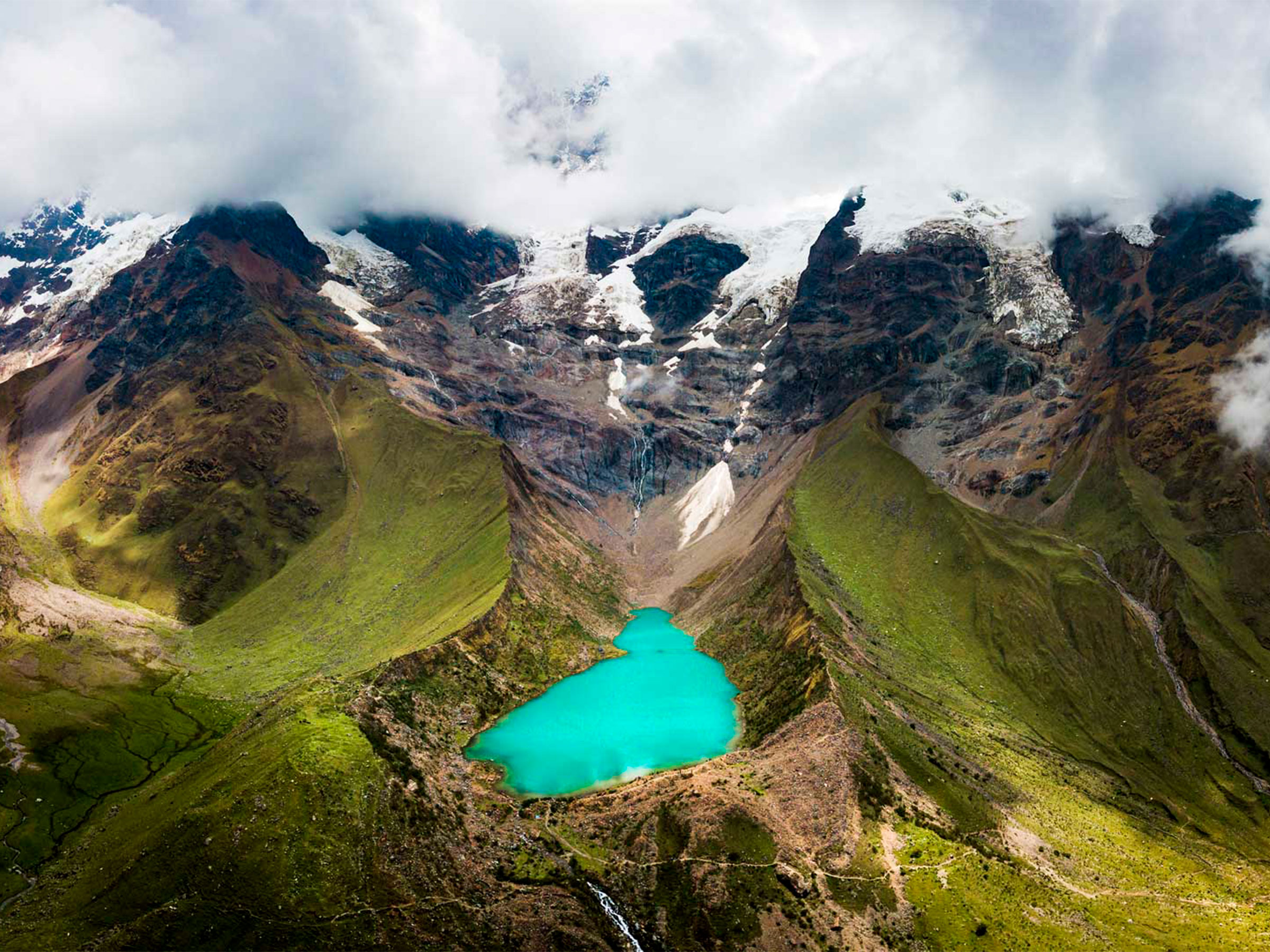
- Humantay Lake usually shows its full turquoise colour under blue skies.
- Better conditions for photos at Machu Picchu.
Cons
- The coldest nights of the year. Around Soraypampa (about 3,900 m) and near the pass, temperatures often drop below freezing.
- More hikers on the trail and more visitors at Machu Picchu.
- Machu Picchu tickets, trains and the most popular dates fill up first.
Shoulder months (April, October, November): pros and cons
Pros
- Fewer people than in the dry season.
- Greener landscapes, especially in April after the rains.
- Often a good mix of clear mornings and cloudier afternoons.
Cons
- Less predictable: you may get a perfect pass day or a cloudy one.
- Showers become more likely, especially in October and November.
If you want a balance between views and quiet trails, April and late September to early October are worth a look.
Rainy season (December to March): pros and cons
Pros
- The quietest time on the trail and the greenest landscapes.
- Waterfalls and rivers at their fullest in the cloud forest.
- Nights near the pass are cold, but generally less harsh than the coldest dry-season nights.
Cons
- Mud and wet days, especially in January and February.
- Clouds often hide the snow peaks, so the famous pass view is less certain.
- Wet clothes and boots are harder to dry at camp.
- Slippery sections on the descent and in the cloud forest; trekking poles help a lot.
Rainy season doesn’t mean it rains all day. Often you get a dry morning and rain later, but you should be ready for anything. If you choose these months, take your rain gear seriously: our Salkantay trek packing list has a rainy-season checklist.
February: Inca Trail closed, Salkantay open
The classic Inca Trail closes every February for maintenance. Salkantay does not, which is why many travellers who want to walk to Machu Picchu that month choose it instead. You still finish at Machu Picchu, and you still cross a high Andean pass, just on a different route.
February is also one of the two wettest months, so go in with realistic expectations: mud, rain and fewer views of the peaks, but very green landscapes and quiet camps. Our 4-day and 5-day Salkantay treks don’t use the Inca Trail, so they work well in February. The 6-day Salkantay and Inca Trail trek finishes on a short Inca Trail section with permits, so it depends on the Inca Trail being open: plan it for another month.
Still deciding between the two routes? Read Salkantay vs Inca Trail for a full comparison.
Weather at the pass vs the cloud forest
One of the most important things to understand about Salkantay timing is that you walk through very different climates, whatever the month:
- The pass and the high section (Soraypampa to the Salkantay Pass, 3,900–4,650 m): cold, often windy, and exposed. Mornings are usually the clearest time; clouds tend to build later in the day. Frost is common at night in the dry season, and snow or sleet is possible on the pass, more so in the wet months.
- The descent (Collpapampa, about 2,850 m): noticeably milder, and nights are more comfortable.
- The cloud forest (around Lucmabamba, about 2,050 m, and down to Aguas Calientes): warm, humid and green, with coffee farms, fruit trees and orchids. It can rain here in any month, and there are insects, so bring repellent.
In practice, you dress for winter on the pass day and for the tropics one day later. That is why layers matter more than the month you choose.
Cold nights: what to expect
Nights at the high camps are cold all year, and coldest in the dry season. We provide domes or panoramic cabins at the camps, coca tea in the mornings and hot meals, but your sleeping bag and clothing make the real difference. Sleeping bags are not included and can be rented. Choose a warm one, wear dry thermals to bed and keep a warm hat handy.
If cold is your biggest worry, the shoulder months are a good compromise, but even then you need proper insulation for the pass.
Crowds and how to avoid them
The Salkantay trail needs no trekking permit, so there is no daily cap on hikers the way there is on the Inca Trail. The dry season, and especially June to August, is when most people hike it. A few tips:
- Choose May, September or the shoulder months for good weather with fewer people.
- Watch the Cusco calendar: late June (Inti Raymi) and the Christmas to New Year holidays bring extra travellers to the region.
- Think about group size: our groups are small (up to 10 people on most departures, up to 15 on the 5-day trek), which keeps camp life relaxed even in busy months.
Booking advice by season
- Dry season: we run daily departures, but Machu Picchu tickets have fixed entry times and limited availability, and trains fill up. Book as early as you can, especially for June to August.
- Shoulder and rainy season: more flexibility, but still book ahead so we can secure your Machu Picchu entry.
- Inca Trail combinations: permits are limited and often sell out months ahead. If you want the 6-day Salkantay and Inca Trail route, book well in advance and avoid February.
- Acclimatization: in any season, plan at least two days in Cusco or the Sacred Valley before the trek.
Packing tweaks per season
Your basic kit stays the same all year (layers, broken-in boots, waterproof jacket, sun protection), but adjust it by season:
- Dry season: a warmer sleeping bag, down jacket, warm hat and gloves, thermal leggings for the night, plus strong sunscreen and sunglasses for the clear, sunny days.
- Shoulder months: the dry-season warm layers plus reliable rain gear, because both cold and showers are possible.
- Rainy season: rain trousers, a poncho, a backpack cover, dry bags, extra socks and quick-dry clothes; poles are especially useful on muddy descents.
Our full Salkantay trek packing list breaks all of this down into checklists.
Which Salkantay trek for your dates?
For most travellers, any month works if you choose the right route and pack for it. In the dry season, the classic Salkantay trek 5 days via Llactapata is our favourite way to enjoy clear views at the pass and the first glimpse of Machu Picchu from Llactapata. If you are short on time, the Salkantay trek 4 days to Machu Picchu covers Humantay Lake, the pass and the cloud forest in one day less, and works all year, including February. And outside February, if you want to arrive through the Sun Gate, look at the 6-day Salkantay and Inca Trail trek.
If you are unsure about the physical side in a given season, read our guide to Salkantay trek difficulty, then tell us your dates and we will help you choose.
Frequently asked questions
What is the best month to hike the Salkantay trek?
For the clearest views of the snow peaks, May to September are the best months, with June to August the most reliable but also the busiest and coldest at night. May and September are a good balance of clear weather and fewer people.
Can you hike the Salkantay trek in the rainy season?
Yes. The Salkantay trek runs all year, including December to March. Expect mud, rain and clouds over the peaks, but also green landscapes and quieter trails. Good rain gear makes a big difference.
Is the Salkantay trek open in February?
Yes. The classic Inca Trail closes every February for maintenance, but the Salkantay trek stays open and is the usual alternative for reaching Machu Picchu on foot that month.
How cold does it get on the Salkantay trek?
Nights near the pass are cold all year and often drop below freezing in the dry season. Lower down, in the cloud forest near Lucmabamba and Aguas Calientes, it is mild and humid.
How far in advance should I book the Salkantay trek?
We run daily departures, but in the dry season book as early as you can so Machu Picchu tickets, trains and your preferred date are available. If your route includes the Inca Trail, book months ahead because permits are limited.